March 11, 2026
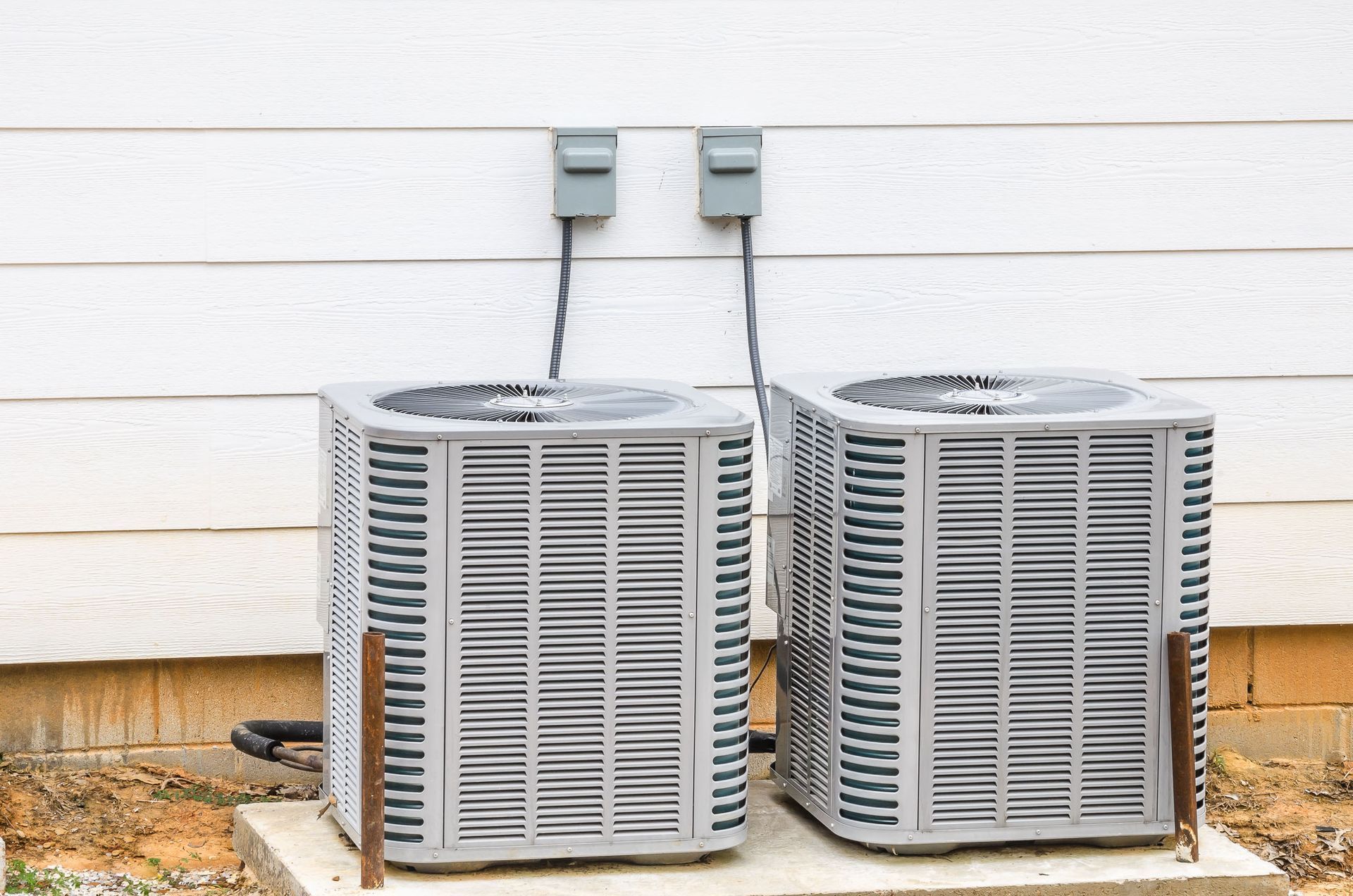
As the temperatures peak during summer months, air conditioning becomes a vital part of maintaining comfort in homes. However, like any appliance, air conditioners are prone to wear and tear over time. Recognizing early signs of issues can prevent disruption of comfort and costly services from an AC repair company. Addressing minor issues before they escalate ensures a smoother, more efficient functioning of your system.
Ignoring the initial symptoms of a malfunctioning air conditioner can lead to more significant problems. When issues are left unchecked, they can evolve into major faults, impacting both performance and energy efficiency. Timely intervention not only preserves the cooling environment of your home but also keeps operational costs in check. With heating, ventilation, and air conditioning (HVAC) systems making up nearly 40% of residential market operations, according to Workyard, understanding their dynamics is crucial. Identifying potential issues early can, in many cases, extend the lifespan of your AC unit significantly.
From peculiar noises to unexpected cycling, each sign points towards underlying problems. While some issues may be apparent, others require a deeper understanding to diagnose. Homeowners equipped with this knowledge can engage in proactive maintenance, ensuring their systems remain functional when most needed. Ultimately, understanding these warning signals benefits comfort, utility costs, and the longevity of your AC system.
Unusual Noises from the AC Unit
Rattling Sounds
Rattling sounds emanating from your AC unit can be unsettling and indicative of an underlying issue. Typically, these noises suggest that certain internal components might be loose or broken. For instance, a loose fan blade or detached panel could be the culprit behind the noise. Over time, if not addressed, this could lead to more severe mechanical issues that affect the AC's efficiency. Therefore, when you notice rattling, it's essential to inspect the unit or call an AC repair company to diagnose and fix the problem promptly.
Grinding Noises
Grinding noises are often more serious and point towards potential issues in the motor or compressor. The sound of metal grinding against metal indicates worn-out bearings or mechanical failures. This not only compromises the immediate functioning of your AC but can also cause irreversible damage if not attended to quickly. When such sounds are present, it's advisable to turn off the system and consult with a repair specialist. Addressing these issues promptly can save you from the costly expense of replacing critical components.
Hissing Sounds
A hissing sound from your air conditioning system can usually be traced back to a refrigerant leak. The refrigerant is vital for the cooling process, as it absorbs heat from the indoor air. A leak not only diminishes the cooling power of the AC but also poses environmental risks. Furthermore, low refrigerant levels can cause the compressor to overheat, leading to a complete breakdown if neglected. Immediate attention to hissing sounds can prevent further damage and ensure your AC operates smoothly.
Clicking Sounds
Clicking sounds are another common noise issue that can indicate electrical problems within the AC unit. Frequent clicking as the system cycles on and off could result from a malfunctioning thermostat or failing electrical components. These electrical issues not only affect performance but can also pose safety hazards if not addressed. To investigate, begin by checking if any wires are loose or if the thermostat is functioning correctly. Persistent problems should be evaluated by a qualified technician to ensure safe and effective repairs.
Buzzing Noises
Buzzing sounds coming from the AC are often related to loose parts or electrical issues. These noises can originate from a variety of sources, including the blower fan, motor, or even internal electrical components. If left unchecked, the vibrations causing the buzzing sound can lead to more severe mechanical issues or electrical failures. To prevent these risks, it is advisable to investigate buzzing notices swiftly, securing any loose components or consulting with a professional for electrical diagnostics. Rectifying these issues sooner rather than later ensures the longevity and reliability of your cooling system.
Weak Airflow from Vents
Clogged Air Filters
One of the primary reasons for weak airflow is clogged air filters. These filters play a crucial role in maintaining clean air and allowing efficient circulation throughout your home. When filters become clogged with dirt and dust, airflow is significantly restricted, causing the AC system to work harder than necessary. This not only affects comfort levels in the home but can also lead to an increase in energy usage and costs. Regularly replacing or cleaning air filters is a simple yet effective maintenance practice that can improve airflow and overall system efficiency.
Air Duct Issues
Problems within the air ducts themselves can also lead to diminished airflow. Over time, ducts can develop leaks or become obstructed by debris, reducing the efficiency of air transport. This is often a hidden issue, as ducts are typically concealed behind walls and ceilings. Conducting a professional inspection can reveal hidden duct issues that compromise your AC's performance. Sealing any leaks and clearing any obstructions can restore efficient airflow, ensuring that your cooling system operates at optimal capacity.
Faulty Fan or Motor
A defective blower fan or motor is another common cause of weak airflow from vents. The blower fan is responsible for circulating cooled air, while the motor powers it. If either component is malfunctioning, the airflow to your home will be insufficient, impacting overall comfort. Addressing motor or fan issues early can prevent more severe damage to other parts of the AC system. A professional AC repair company can diagnose these mechanical failures and perform the necessary services from an AC repair company to restore normal airflow efficiently.
Insufficient Cooling
Thermostat Issues
Thermostat issues are a common cause of insufficient cooling within a home. A malfunctioning thermostat may not accurately read or regulate the indoor temperature, leading to inconsistent cooling. These inconsistencies can disrupt comfort and cause the system to run inefficiently, increasing energy costs. Ensuring the thermostat is functioning correctly and is appropriately calibrated can resolve many cooling issues. Sometimes, upgrading to a programmable or smart thermostat offers enhanced control and can improve the overall efficiency of your AC system.
Low Refrigerant Levels
Another common cause of insufficient cooling is low refrigerant levels. The refrigerant is an essential component of the air conditioning process, as it facilitates heat exchange. Without the proper amount, the AC cannot cool the air effectively, leading to prolonged run times and higher energy bills. Refilling refrigerant levels involves more than a simple top-up; identifying and repairing any leaks in the system is crucial. A certified technician can assess the system, address any leaks, and ensure optimal refrigerant levels, restoring your AC unit to full cooling capacity.
Dirty Coils
Dirty condenser or evaporator coils can severely impact your AC's cooling efficiency. These coils are fundamental to the cooling process, transferring heat from inside the home to the outside. When they become dirty or obstructed, their ability to dissipate heat is compromised, resulting in reduced cooling power. Regular cleaning and maintenance of these coils can prevent efficiency losses and ensure consistent cooling performance. Periodic servicing by an AC repair company is recommended to keep the coils in optimum condition, preventing cooling issues and energy waste.
Recognizing the early warning signs of a malfunctioning air conditioner is essential for maintaining comfort, efficiency, and the longevity of your system. Unusual noises, weak airflow, and insufficient cooling are not just minor inconveniences—they are indicators that something may be affecting the performance of your AC. Addressing these issues promptly can prevent more serious problems, reduce costs from an AC repair company, and maintain a consistent, comfortable indoor environment during the hottest months of the year.
By staying vigilant and responding to these warning signs, homeowners can enjoy reliable cooling, lower energy costs, and peace of mind throughout the summer. Understanding and acting on these early indicators not only safeguards comfort but also maximizes the long-term value and efficiency of your AC system, helping it operate at its best when you need it most. Reach out to Air Orleans today to get started.